AI & Cloud Insight
Field notes from building production AI — agents, knowledge systems, and the infrastructure that keeps them honest.
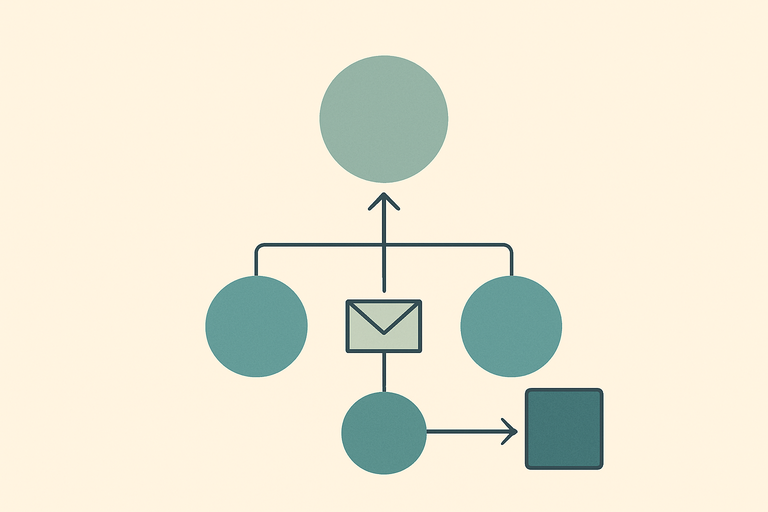
Up, Sideways, Out: Giving an Agent Fleet an Org Chart
Three of our monitoring agents spent a week investigating the same incident without knowing it, because the only channel between them was a thirty-minute message queue and they sleep for hours at a time. The week we finished the three channels an agent org chart actually needs — severity-gated escalation upward, durable peer messaging sideways, and commissioned work outward — and what the fleet did with them in its first 48 hours: 28 messages, 10 threads, one week-old incident split into lanes in a single exchange, and a fix commissioned, shipped, and verified by four agents with one human at the merge.
Read Article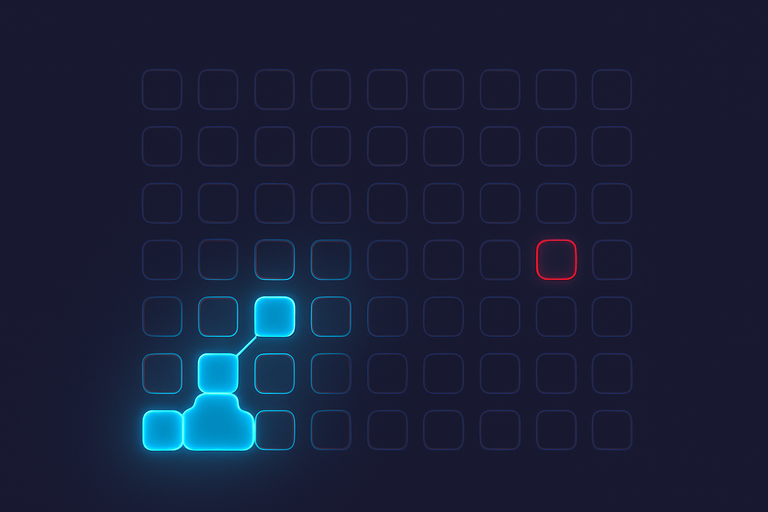
SESM: A State Machine That Teaches Itself
Start with 7 hand-written states. Let production traffic find the rest. A model that costs a hundredth of a cent per judgment does the triage — and a one-line rule keeps a 60%-accurate judge from ever corrupting the machine. Open source, with the receipts: blinded eval, convergence proof, and an interactive replay of a real run.
Read Article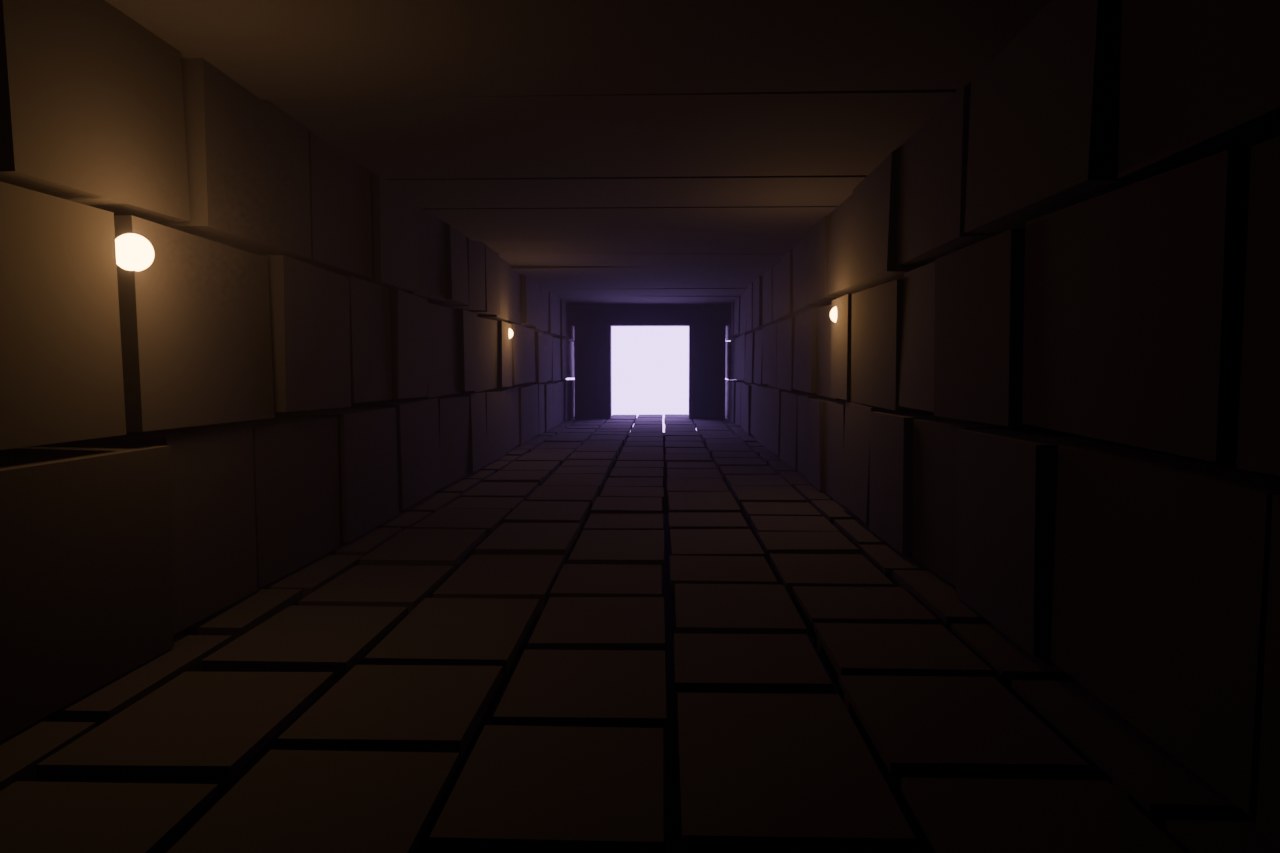
The Dark Stair: We Asked Fable 5 to One-Shot a Game. It Did.
One prompt: 'one-shot an app — anything other than a final, polished, flawless product is a fail.' Fable 5 came back with a complete roguelike, no bugs, then iterated itself overnight to v7 — voice lines, sprites, Blender scenes, ambient music and all. Play it free, no signup.
Read Article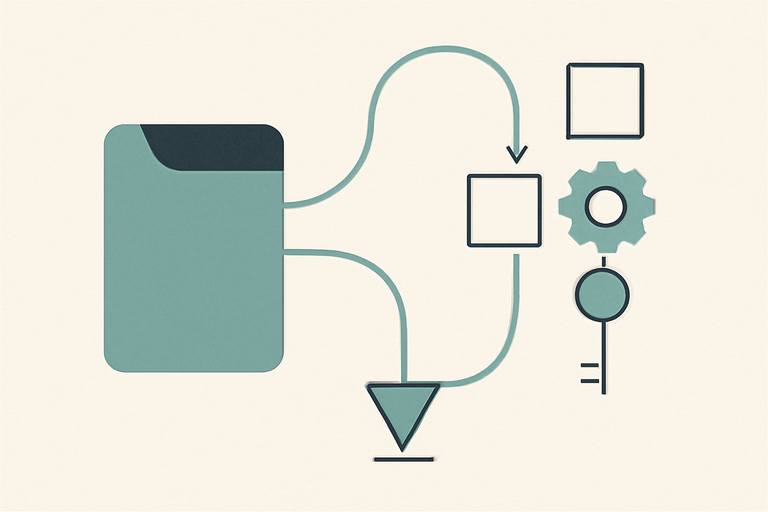
MCP-as-API-Wrapper: Inverting the MCP Pattern for Dynamic Agent Integration
The MCP-as-API-Wrapper pattern reduces the MCP server to a thin discovery and authentication layer with exactly three tools. The entire API surface evolves independently behind it.
Read Article
The Human Attention Bottleneck: Why the Next Leap in AI Isn't Smarter Models
The constraint on AI systems isn't intelligence anymore. It's us. Human attention has become the bottleneck, and the organizations that figure out how to systematically address this will define the next era of software.
Read Article